| |
|
Dr Rachel Murray
Diplomate, American College of Veterinary Surgeons
Associate, European College of Veterinary Diagnostic Imaging
Royal College of Veterinary Surgeons and American Specialist in Equine Surgery
Dr Rachel Murray had more than 35 years experience as an equine veterinary surgeon with a particular interest in advanced imaging, sport horse injury and performance, horse/rider/tack interface, and rehabilitation, leading extensive research and publications into diagnostic imaging, sport horse performance and injury. Her clinical work has been based at Newmarket since 1997, at the Animal Health Trust and then at Rossdales Diagnostic Centre, where she is involved in imaging, lameness/performance evaluation, and rehabilitation. She is Head of Equine Clinical support at VetCT, where she is involved in image interpretation and resident supervision from clients worldwide.
Rachel has also been involved in the British Equestrian World Class Programme since 2009, in a variety of roles, including as a member of the Equine Scientific Advisory Group, as a Team Vet, as a pre-Championship final assessor, and as a Programme Vet in all Olympic and Paralympic disciplines. She has been integrally involved in the maintenance, preparation and final evaluations of numerous team horses for multiple Championships and Olympic Games, and has attended various Championships and Olympics. She is an FEI Official Veterinarian. As well as advising British Equestrian member bodies, she undertakes advisory work for the FEI, and is part of working groups for various organisations including British Veterinary Association.
|
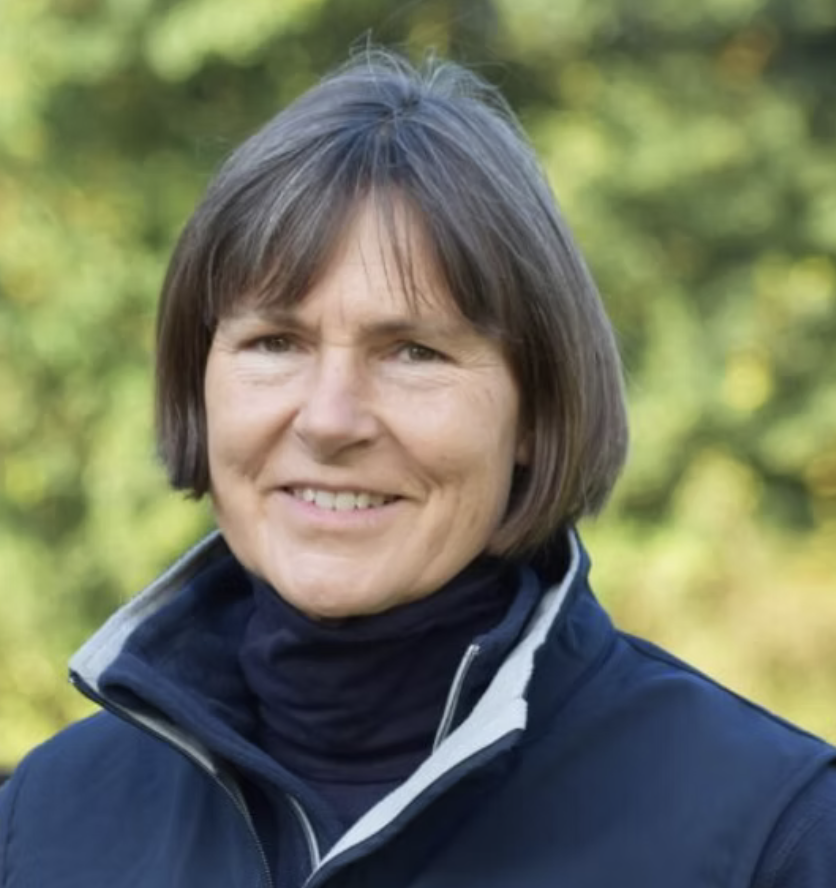 |
Andrew Hoy
Born in Culcairn, New South Wales, Australia, Andrew Hoy is one of the most accomplished and enduring figures in international eventing. Based in the United Kingdom since 1993, he has built a remarkable career spanning more than four decades at the very top of the sport.
Andrew has represented Australia at an extraordinary eight Olympic Games, earning six medals in total—three gold, two silver, and one bronze. He has also competed in eight World Championships, securing two bronze medals and further cementing his reputation as a consistent performer on the global stage.His record includes prestigious 5* victories at some of the sport’s most iconic events, including Badminton, Burghley, Kentucky, and Luhmühlen. Since making his World Championship debut in 1978 in Kentucky, Andrew has maintained a presence at elite level competition for over 45 years—an achievement that highlights both his longevity and dedication.
Beyond competition, Andrew is a highly respected high-performance athlete, mentor, and coach. Through his public platform and role as a creator, he actively promotes the principles of correct, classical horsemanship. He is a strong advocate for horse welfare and rider responsibility, using his voice to champion ethical, horse-first training practices.Andrew Hoy continues to inspire riders worldwide through his commitment to harmony, feel, and longevity in equestrian sport.
|
|
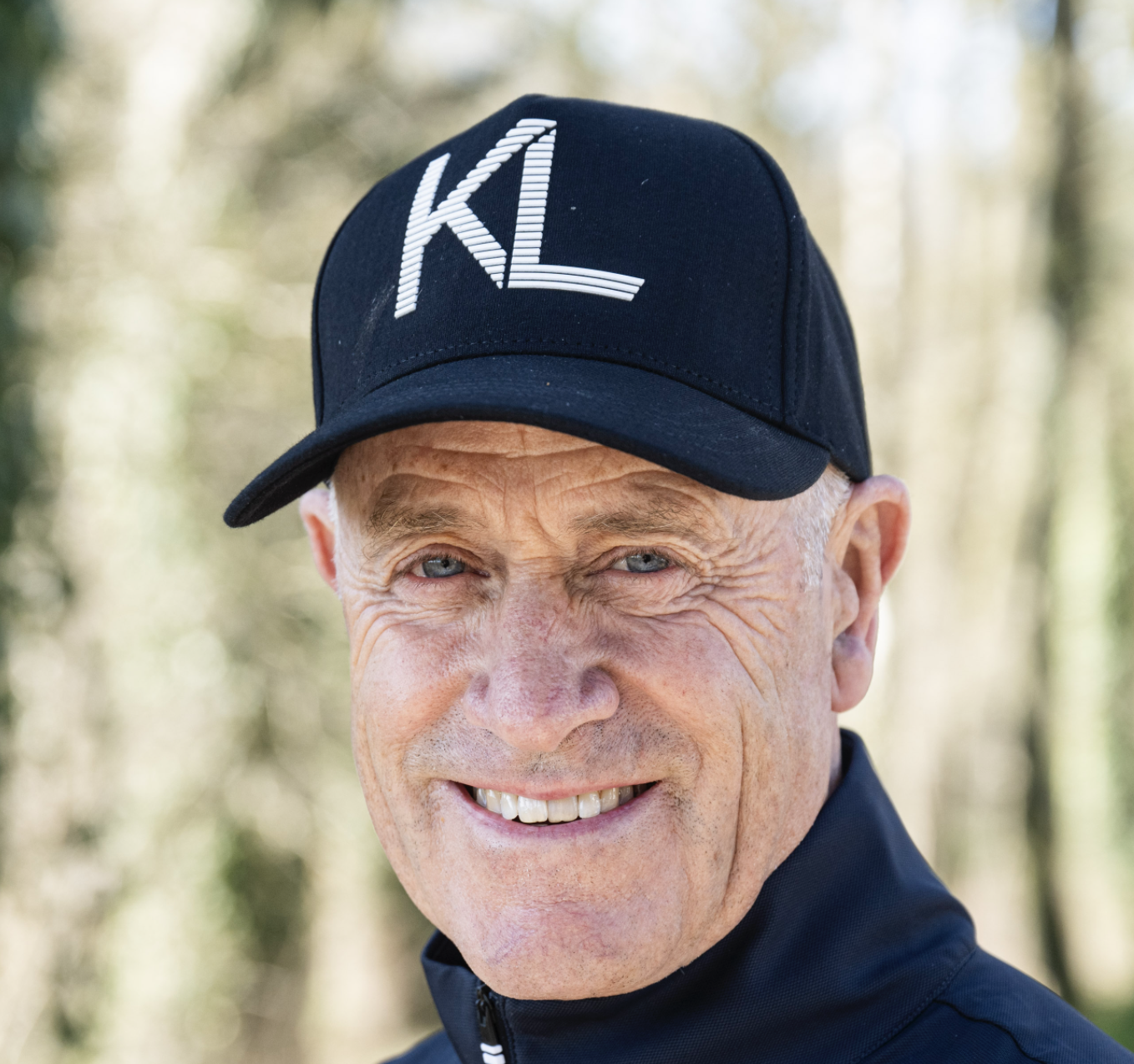
Dr David Marlin
David Marlin studied at Stirling University from 1978-1981. He then trained with dressage rider and coach Judy Harvey (FBHS and FEI International dressage judge). He obtained his PhD from Loughborough University in 1989 on the response of Thoroughbred racehorses to exercise and training. He worked for 3 years in Newmarket for racehorse trainer Luca Cumani.
From 1993–1996 he undertook studies on thermoregulation and transport of horses in the build-up to the 1996 Atlanta Olympic Games. He advised the FEI/IOC on Climate Mitigation for Olympic Games between 1996 and 2024. From 1990-2005 David held the position of Senior Scientist and Head of Physiology at the Animal Health Trust. His main areas of professional interest are exercise physiology, including nutrition, fitness training, thermoregulation, anhidrosis, headshaking, competition strategy, transport, respiratory disease, EIPH, behaviour and welfare has published over 200 scientific papers in these areas.
He has worked as a consultant to the British Equestrian Federation since 1994 and is a member of the BEF’s World Class Performance Equine Scientific Advisory Group. Between 1996 and 2000 he was trainer for the British Endurance team and when they won a silver medal at the World Championships in Compiegne, France in 2000. David has a strong interest in equine welfare and has been involved in many projects, including working with World Horse Welfare to improve the conditions for horses transported for meat in Europe.
Recent projects include the impact of COVID-19 on horse owners and horse welfare, protective boot testing, the safety of headcollars, performance analysis, saddle tree design, saddle pad function, quantification of headshaking, horse and rider safety on cross-country and rein tension in dressage. David is a past Chair of the International Conference on Equine Exercise Physiology (ICEEP), editor of Comparative Exercise Physiology, author of Equine Exercise Physiology, President of the UK National Equine Welfare Council, President of the newly established Sporthorse Welfare Foundation and Visiting Professor at ARU Writtle. He also currently runs his own equestrian community under askanimalweb.com.
|
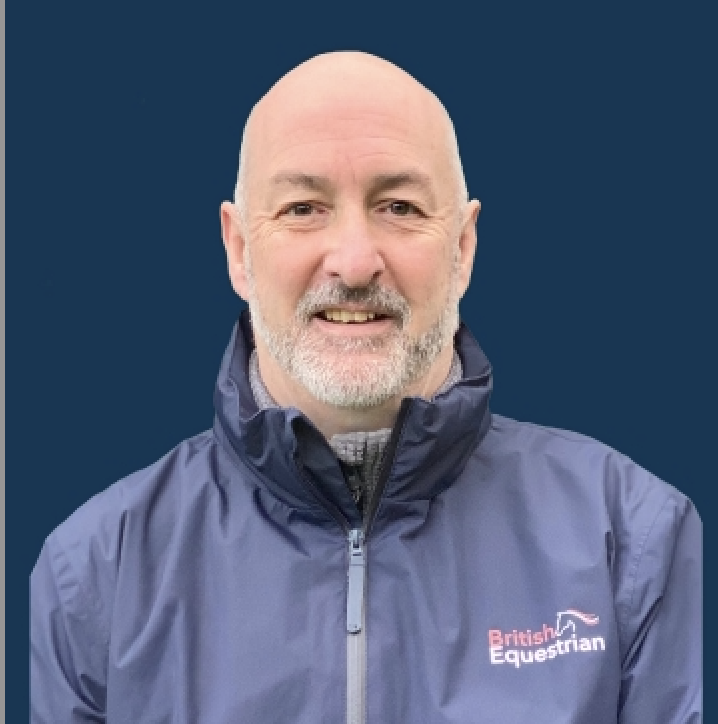 |
Mark Fisher
Mark Fisher left the King’s Troop RHA as the Master Saddler in 2004, after 22 years service. In the army, he competed in eventing where he reached intermediate level and in team chasing up to open level. He has also been involved in show jumping and hunts on a regular basis. Mark is a registered, qualified saddle fitter and regularly lectures and assesses for the Society of Master Saddlers. Mark was fortunate enough to be employed as the official Master Saddler of the London 2012 Olympic games. He also works in conjunction with the British Equestrian Federation on the World Class Programme, operating the Pliance saddle pressure system, which is owned by the British Equestrian Federation. He is also employed as an overseas trainer for the World Horse Welfare, working with working horses in developing countries.Mark is also co-author on multiple scientific saddle based research papers.
|
 |
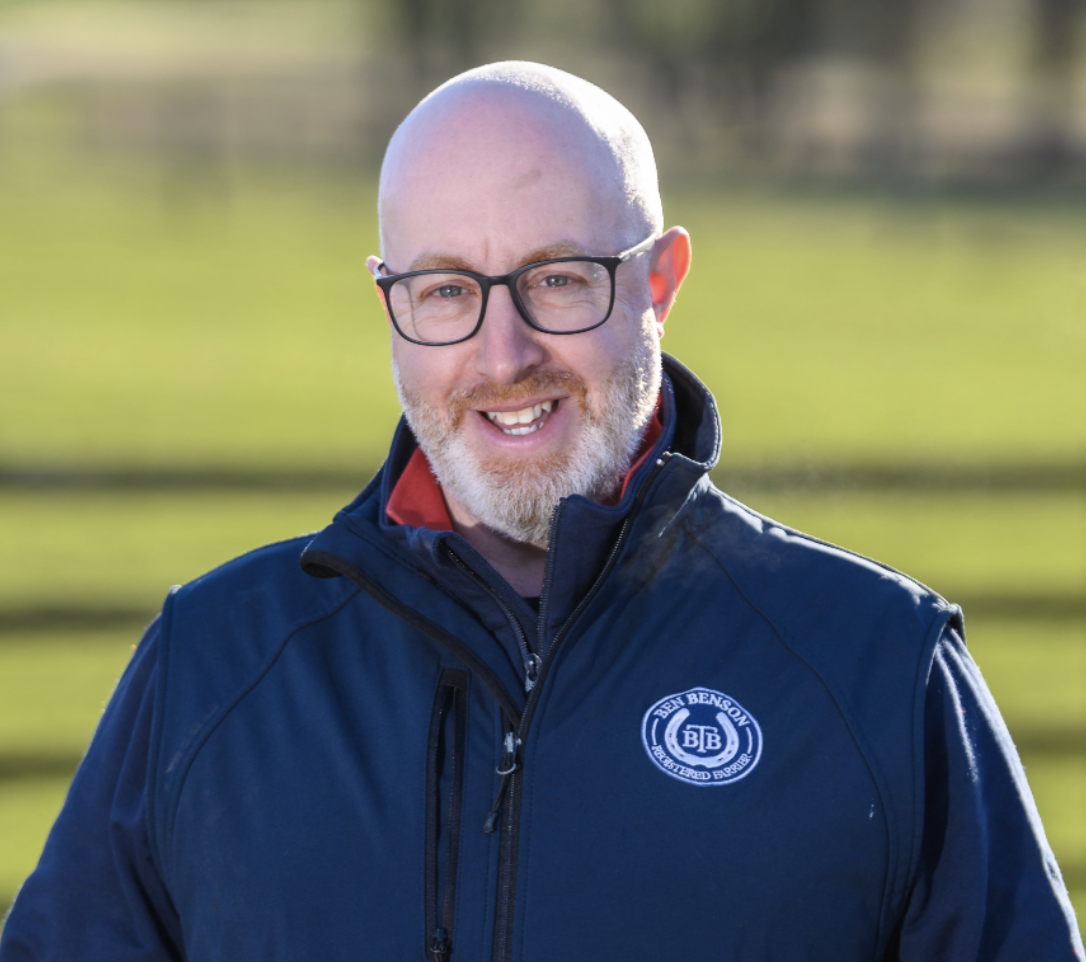
Ben Benson
The son of a farrier, Ben started his apprenticeship in 1999, training under Haydn Price DipWCF and D.P.Smith AWCF. During his apprenticeship, Ben was part of both the Apprentice and Senior Welsh Farrier teams and won two individual National Championships. Upon qualifying in 2003, Ben’s passion and interest for working with performance horses grew significantly, having seen how shoeing could influence the horses gait, soundness and range of movement. This led Ben to focus his business and practices towards both remedial and performance shoeing, that he since has become known for.
Running a successful farriery business in North Oxfordshire, employing both apprentices and qualified farriers and with a client list ranging from leisure horses through to 5* and Olympic level competition horses. The team work alongside a variety of veterinary practices and associated equestrian professionals, to ensure maximum positive influences on the horse. In 2016, Ben gained his Associate of the Worshipful Company of Farriers (AWCF), and in 2017, became the 77th Master Farrier of the Worshipful Company of Farriers.
Ben was one of the lead farriers at the London 2012 Olympic Games and again at Rio 2016 Olympic Games. He then went on to be Head Farrier at the Tokyo 2020. Additionally Ben's CV also includes farriery support to Asian Games, European Championships, Nations Cup Teams and World Equestrian Games.
Ben gained his Approved Farrier Training status in 2007, and is one of only 120 in the UK. Ben delivers education and training to farriers and other equestrian professionals such as vets, physios, coaches and saddle fitters both in the UK and abroad - travelling as far afield as Brazil, Zimbabwe, Sweden and Japan. Ben also enjoys delivering education to the BHS, Riding Clubs and discipline member bodies. Ben has been a consultant for the British Equestrian Federation’s World Class Programme since 2009, and is the Podium Potential Pathway Farrier.
Ben currently sits as President on the Executive committee for the British Farriers and Blacksmiths Association.
|
 |
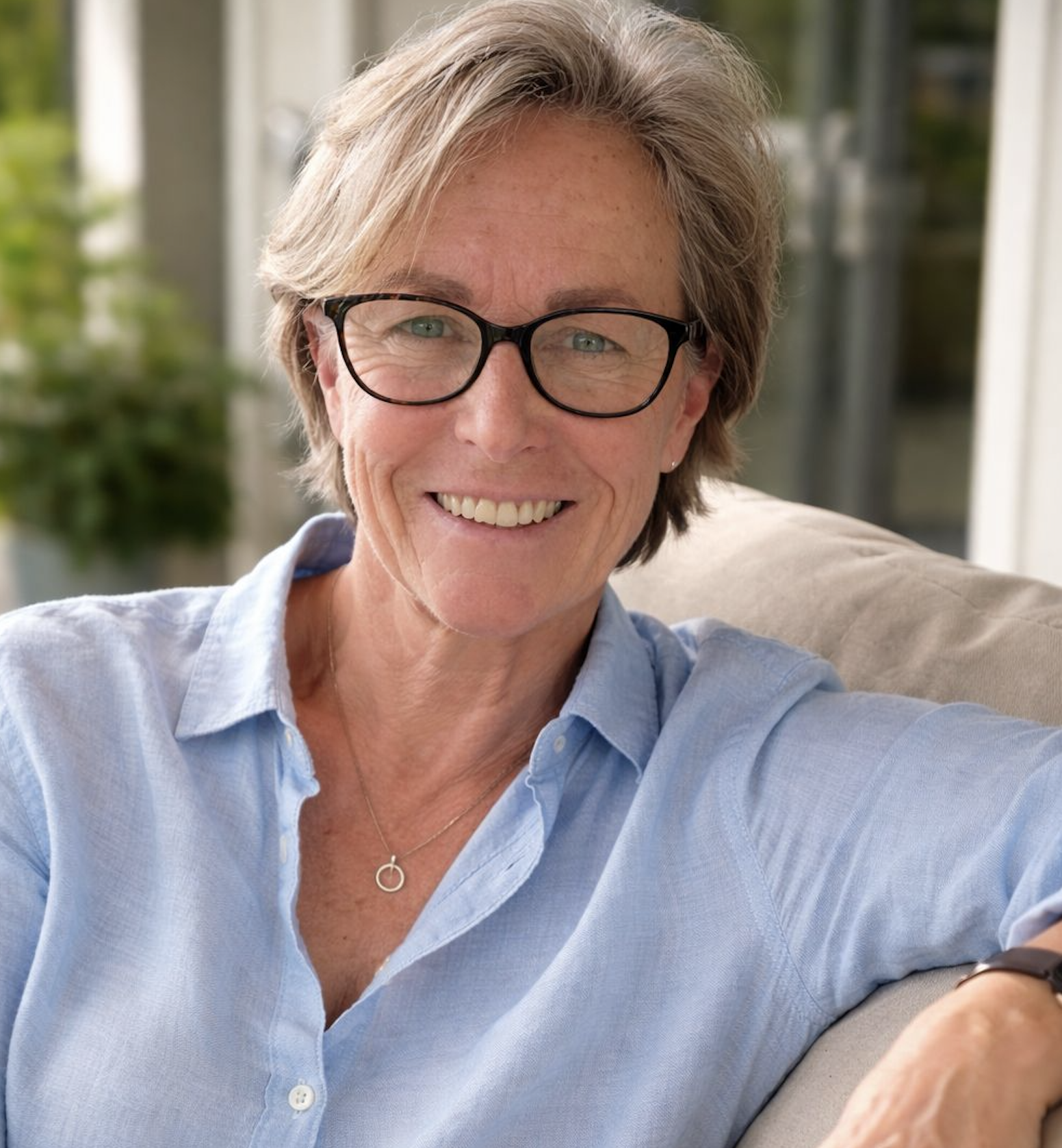
Ash Wallace
With over 20 years’ experience in elite sport, Ash Wallace is a highly respected physiotherapist specialising in equestrian performance, athlete health and injury management.
Ash spent eight years with the British Equestrian Federation where she served as Head of the Human Sports Science and Medicine Team. In this role, she led the development of innovative profiling and injury prevention strategies. This supported riders to optimise performance while managing the unique physical demands of equestrian sport. Her work integrated the complex relationship between rider, horse and the performance environment, an area which continues to shape her approach today.
Across her career, Ash has supported athletes though seven Olympic cycles and worked across a wide range of sports including rowing, hockey, athletics, bobsleigh and Formula 1. This breadth of experience has enabled her to bring cross disciplinary insights into equestrian sport.
|
 |
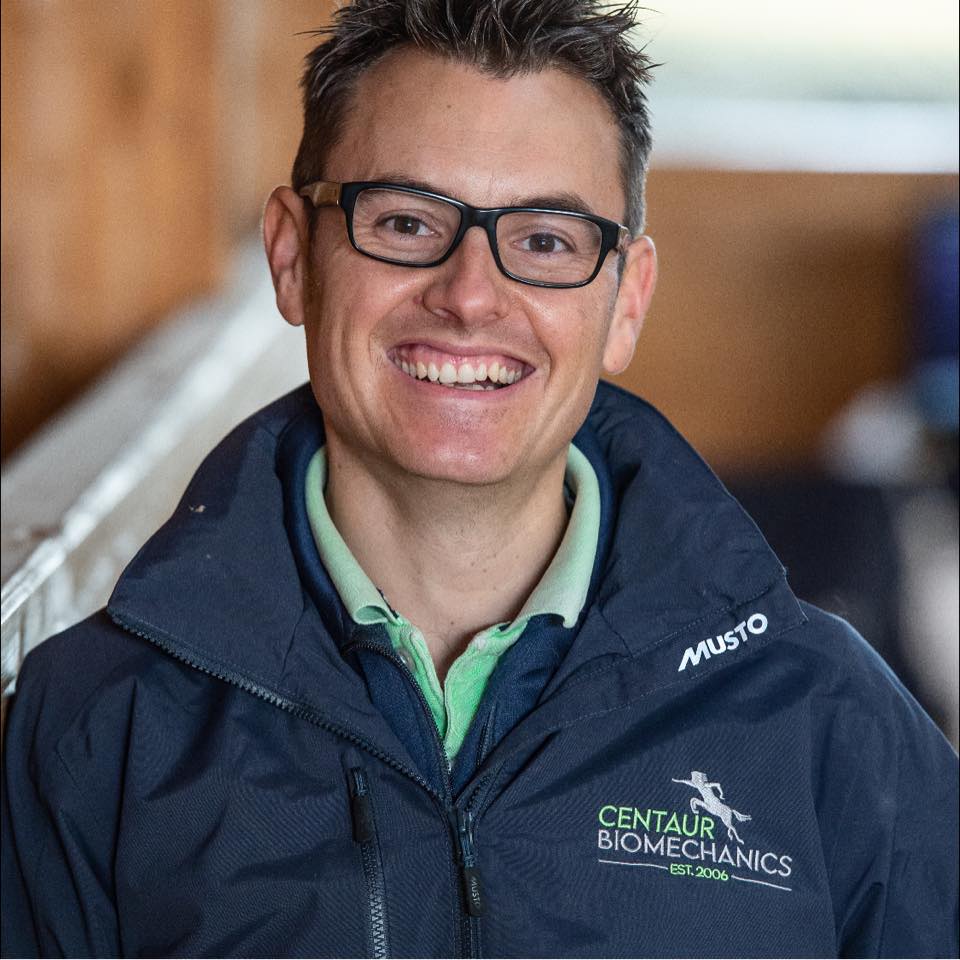
Dr Russell MacKechnie-Guire
Russell graduated from Warwickshire College in 2006 with a BSc (Hons) in Equine and Human Sports Science and earned his PhD in Equine Biomechanics from the Royal Veterinary College in 2019. His doctoral research, “The Relationship between Saddle and Rider Kinematics, Equine Locomotion, and Thoracolumbar Pressures in Sports Horses,” focused on the complex interactions between horse, rider, and tack.
Founder of Centaur Biomechanics (2006), Russell has extensively researched how saddle fit, bridle design, and girth configuration affect equine welfare and performance. His current research focuses on the horse-saddle-rider interface, spinal kinematics during ridden work, and the effects of rider asymmetry on the equine back.
In addition to his academic and research credentials, Russell is a qualified BHSI Coach and Pilates instructor, bringing a unique rider-focused perspective to his work on symmetry, posture, and core stability. He is also an active dressage competitor, further grounding his scientific insights in practical riding experience.
Russell regularly presents at international conferences, collaborates with researchers globally, and consults for the British Equestrian Federation’s World Class Programme (Team GBR). He is a member of the Team GBR Scientific Advisory Group, the Society of Master Saddlers Scientific Advisory Group, and chairs the Horse+Rider Subgroup within the International Task Force on Laterality in Sports Horses and also sits on the Danish Federation's Ethics group.
|
 |
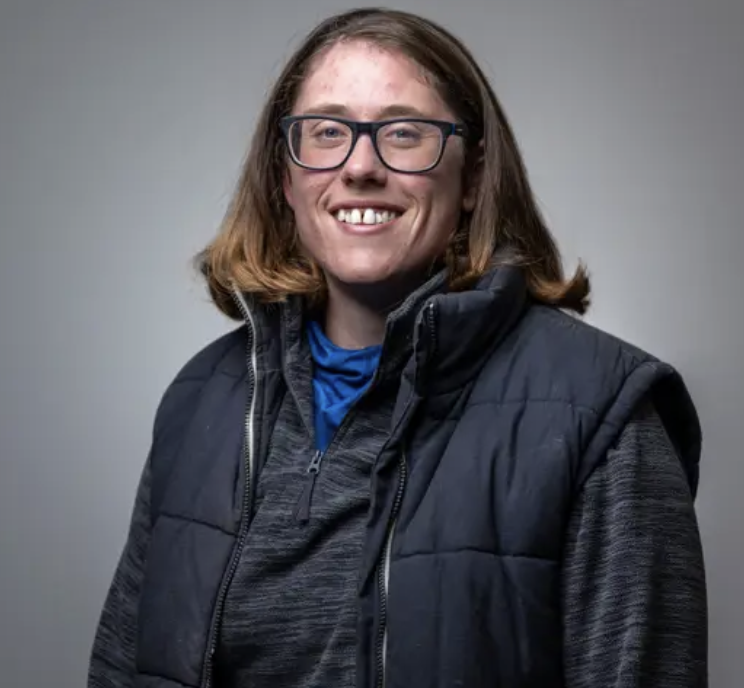
Dr Vicki Walker
Vicki holds a DPhil focused on the use of common exercise modalities in the training and rehabilitation of horses, following an MSc in Equine Science from the University of Edinburgh. She began her research career at the Animal Health Trust in Newmarket, where she investigated the effects of training and rehabilitation practices in sport horses. Vicki is now a senior lecturer at Hartpury University, where she teaches equine performance, biomechanics, and rehabilitation. Her research centres on understanding the effects of methods and equipment used in everyday equine practice, with the aim of building a stronger evidence base to support the health, welfare, and performance of both sport and leisure horses. She is a member of the international hydrotherapy working group.
|
|
Erik MacKechnie-Guire FBHS
Originally from Scotland, Erik Mackechnie-Guire now lives in Moreton Morrell, where he runs a small stud of Highland ponies, breeding approximately three foals each year. His breeding programme focuses on traditional, proven performance bloodlines, with all current ponies tracing back to established and successful native lines. Erik combines his passion for native ponies with his professional role at British Equestrian, where he works as Para Pathway Manager. Alongside this, he maintains an active coaching schedule, regularly travelling across the UK. He became a Fellow of the British Horse Society (FBHS) in 2020. Native ponies have played a central role throughout Erik’s life; he learned to ride on native and native-cross ponies while growing up on the west coast of Scotland.
Erik is also a respected judge, sitting on the judges’ panel for the Highland Pony Society, as well as the National Pony Society (NPS), British Show Pony Society (BSPS), and UK Ponies & Horses (UKPH). These roles have enabled him to officiate at many of the UK’s leading agricultural and county shows, including Royal International Horse Show (RIHS), Royal Windsor and Horse of the Year Show (HOYS).
|
|
Jo Beavis
Jo Beavis, who has over 30 years of experience and is both a qualified SMS Master Saddle Fitter and an SMS Master Saddler, founded the National Saddle Centre in 1992. Jo has, and continues to be involved in many research projects surrounding saddlery, fitting and performance our aim is always to improve the performance and freedom of movement whilst ensuring comfort for the horse and rider.
|
 |
Kate Stevens
Kate is a Chartered & Veterinary Physiotherapist. She graduated as a Chartered Physiotherapist from The University of Southampton in 2003, with a BSc in Physiotherapy. While working as a Clinical Specialist in Paediatrics in the NHS, she then completed her Masters degree in Veterinary Physiotherapy at The Royal Veterinary College, qualifying in 2011. Since then, Kate has grown the equine side of her business near her home in Suffolk and now has a busy caseload of elite sports horse, racehorses and leisure horses.
Kate is part of the team for Rossdales Veterinary Surgeons and has worked in some of the top racing yards and studs in Newmarket. Kate also works with the British Dressage U21 training squads and Gold Development Programme for British Showjumping. Kate joined the World Class Programme in 2023, supporting the Podium Potential Pathway (P3) squads and continues to support all four disciplines for P3, alongside her work as equine physio for the para dressage championship squad.
When she’s not rushing around the country treating horses, she juggles a busy home life with her husband & 2 daughters & their lovely red Labrador, Buddy!
|
 |
Diana Fisher
Diana Fisher has worked with a varied assortment of horses in her training career, including on hunt yards, livery yards, on a thoroughbred stud, racing stables, event yards and showing yards.
Diana is currently training with Carl Hester and competes at Prix St George Dressage. She teaches Novice to Advanced level riders and is a UKCC level 3 coach.
She has worked with World Horse Welfare as a Technical Advisor, has helped train the Cambodian team riders. She is trained as a British Dressage judge and is also a Society of Master Saddlers Master Saddle Fitter and Bridle Fitter. Diane is a consultant saddle and bridle fitter for the BEF and is involved in research of saddle and bridle fit to promote equine welfare.
|
 |