Horse and Rider Biomechanics Sessions
To celebrate 20 years of Centaur Biomechanics and recognise the significant advances in our understanding of horse, saddle, and rider interaction, as well as technology, Centaur Biomechanics has created a unique package that takes a global view of horse and rider biomechanics. Dr Russell MacKechnie-Guire has been working with elite riders and horses for over 20 years, and the new format reflects a move towards making high-performance, evidence-based biomechanics accessible to a wider audience, to help improve understanding, performance, and ultimately the welfare of the ridden horse.
Duration: 90-minutes
Cost: £120 incl VAT (prices may vary for clinics + travel)
Clinic information pack: Click for Information
Rider information pack: Click for Information
What’s included in a Centaur Biomechanics and Performance Clinic
1. In-hand gait analysis
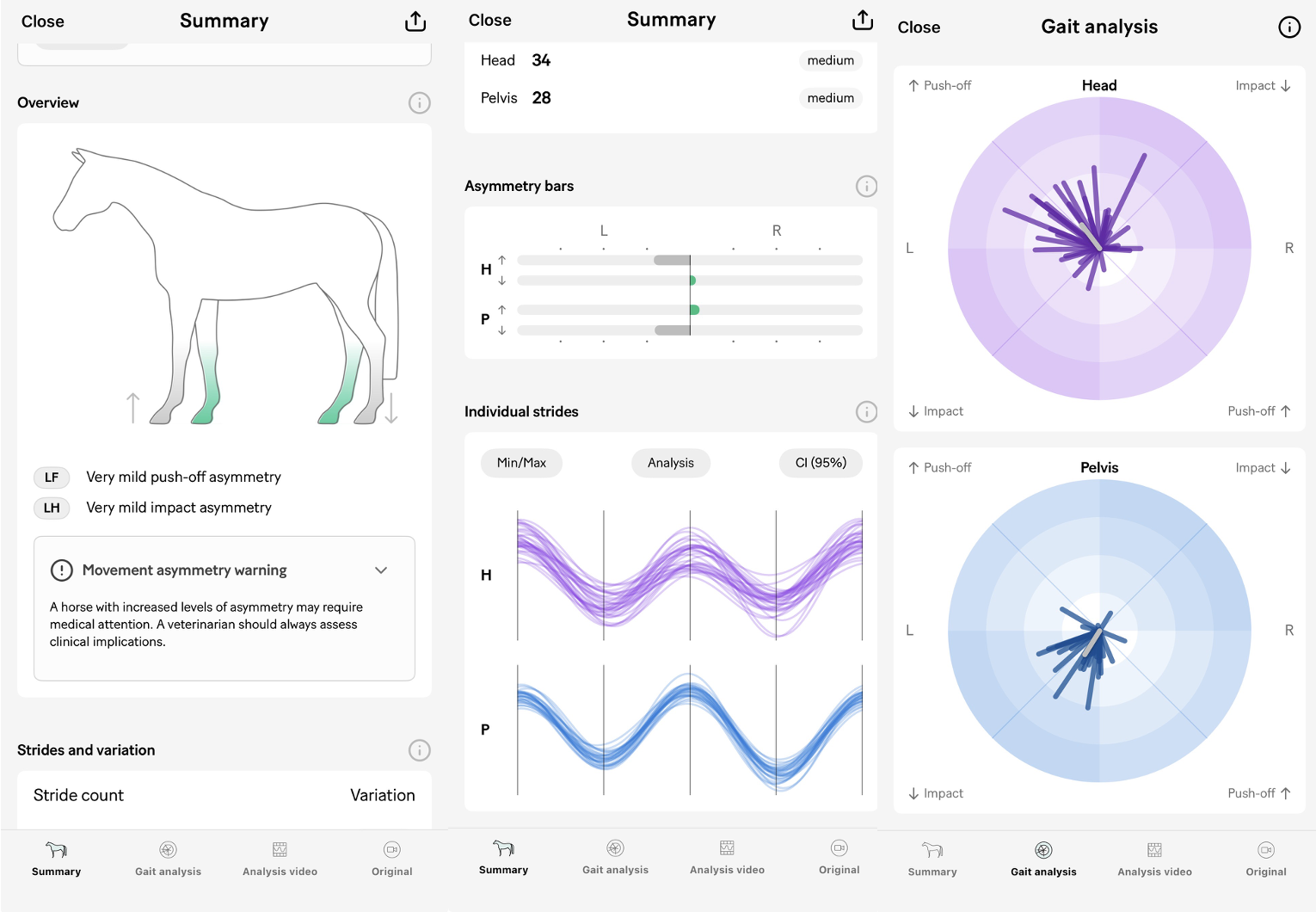
Using advanced gait analysis technology (Sleip), your horse’s movement patterns are objectively measured to identify subtle asymmetries, many of which may be difficult to detect with the naked eye. This element of the session highlights movement asymmetries that may be entirely normal or may indicate compensatory patterns. It is important to note that this analysis does not diagnose lameness or confirm soundness; rather, it is a tool used to evaluate movement patterns.
The data generated can be shared with the rider’s home team for ongoing monitoring or used as a reference point for future evaluations. Its inclusion within the biomechanics and performance clinic provides invaluable insight that can be carried forward by the rider’s home team, while also contributing an important piece of the puzzle when evaluating horse–saddle–rider interaction. This technology is validated and has been used extensively in both research and clinical applications. Dr Russell MacKechnie-Guire has over twenty years of experience using quantitative gait analysis in research and practical settings to support clinical assessment. An auto-generated report will be uploaded to the rider's portal along with a link that can be shared with the rider's home team.
2. Off-horse biomechanical assessment
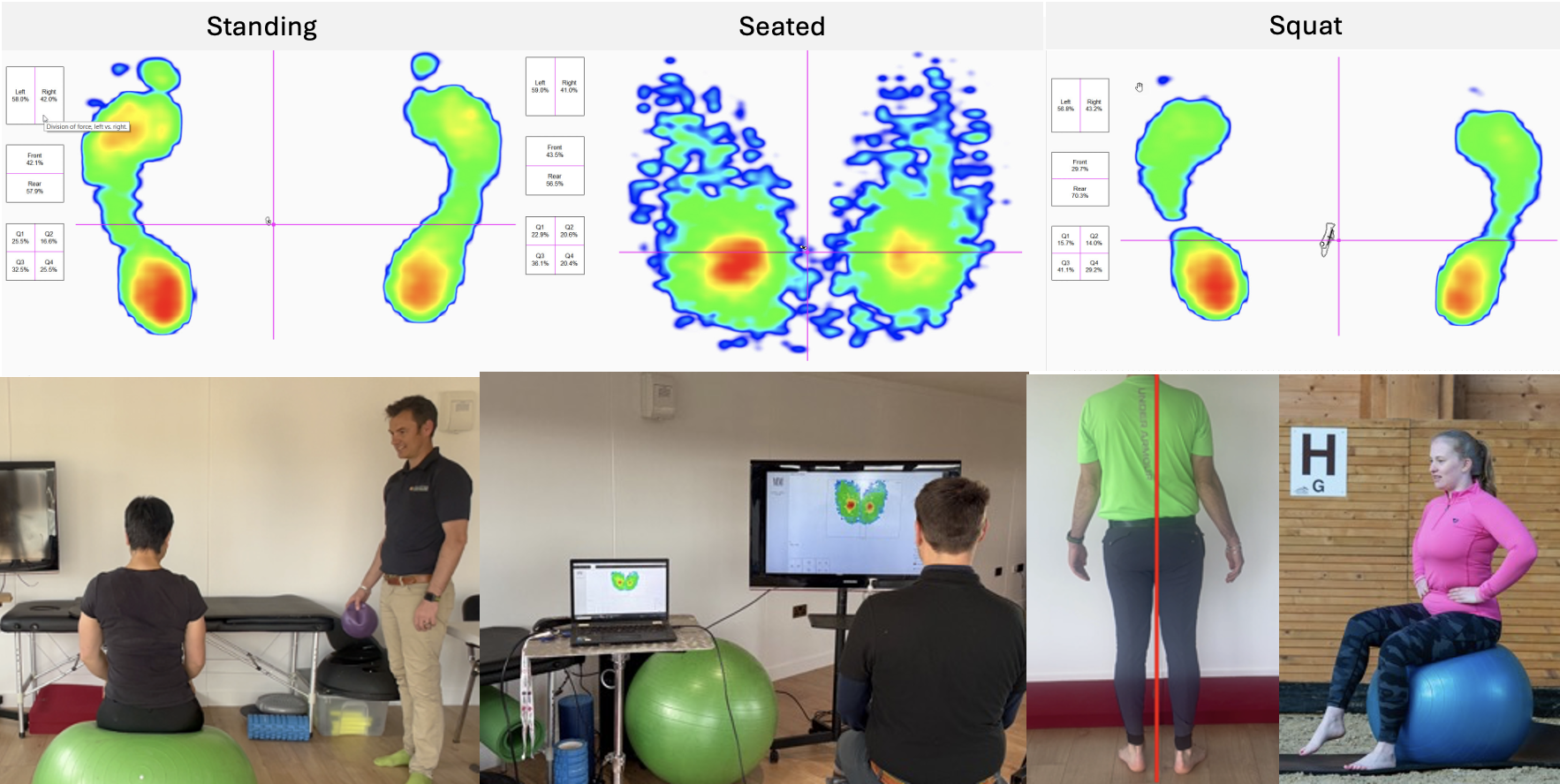
The rider’s function, range of motion, strength, stability, and body awareness off the horse will be assessed. This provides insight into how the rider moves independently, without the influence of the horse. Through a series of tests, the rider’s balance, proprioception, body awareness, and movement patterns will be evaluated.
Similar to the gait analysis for the horse, this part of the session helps identify the rider’s asymmetries and understand how they may affect the horse during riding. Dr. Russell MacKechnie-Guire has published multiple scientific papers on rider asymmetries and has worked with riders ranging from recreational to Olympic level. While it is recognised that some asymmetry is biological, identifying asymmetries related to riding allows targeted exercises to be prescribed. These exercises can help rebalance the body, improve proprioception and coordination, and develop essential physical qualities that support effective and harmonious riding.
![]()
3. Ridden biomechanical assessment
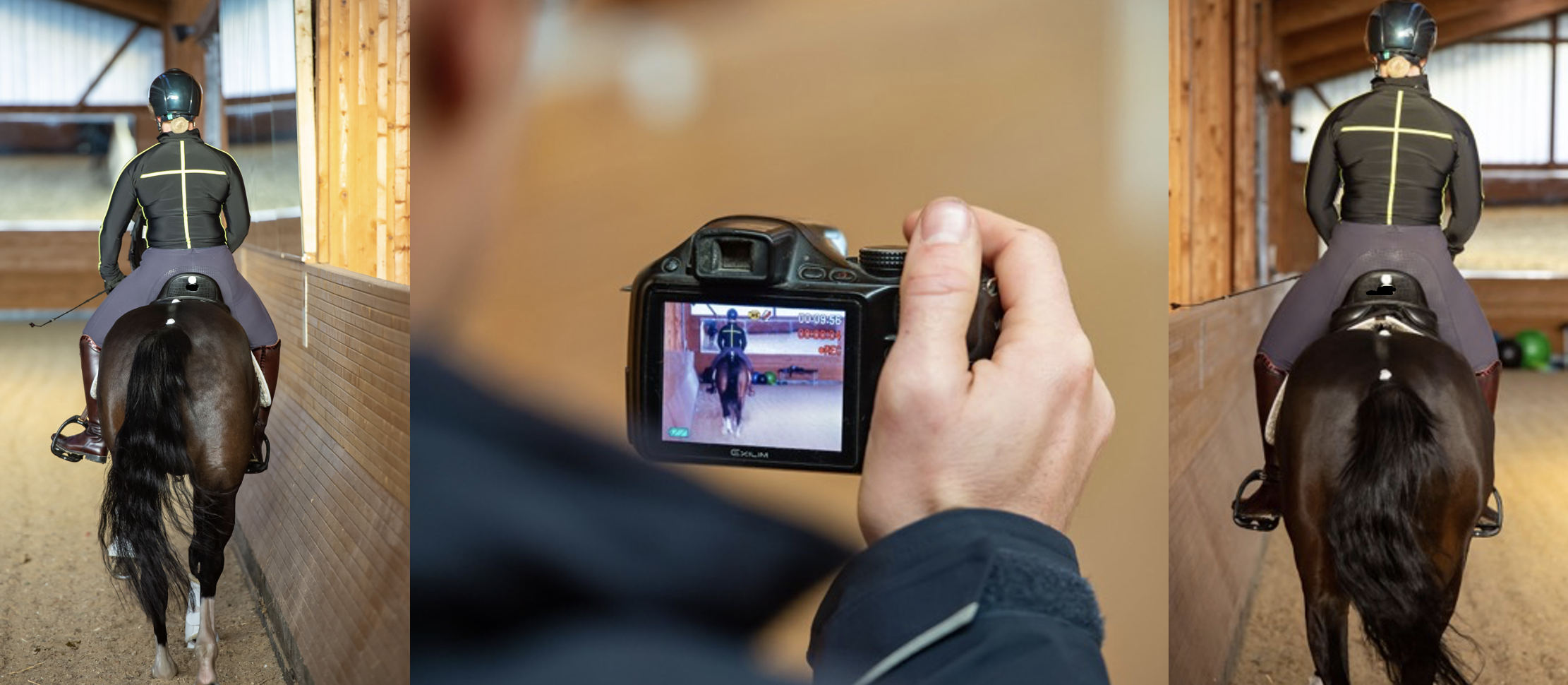
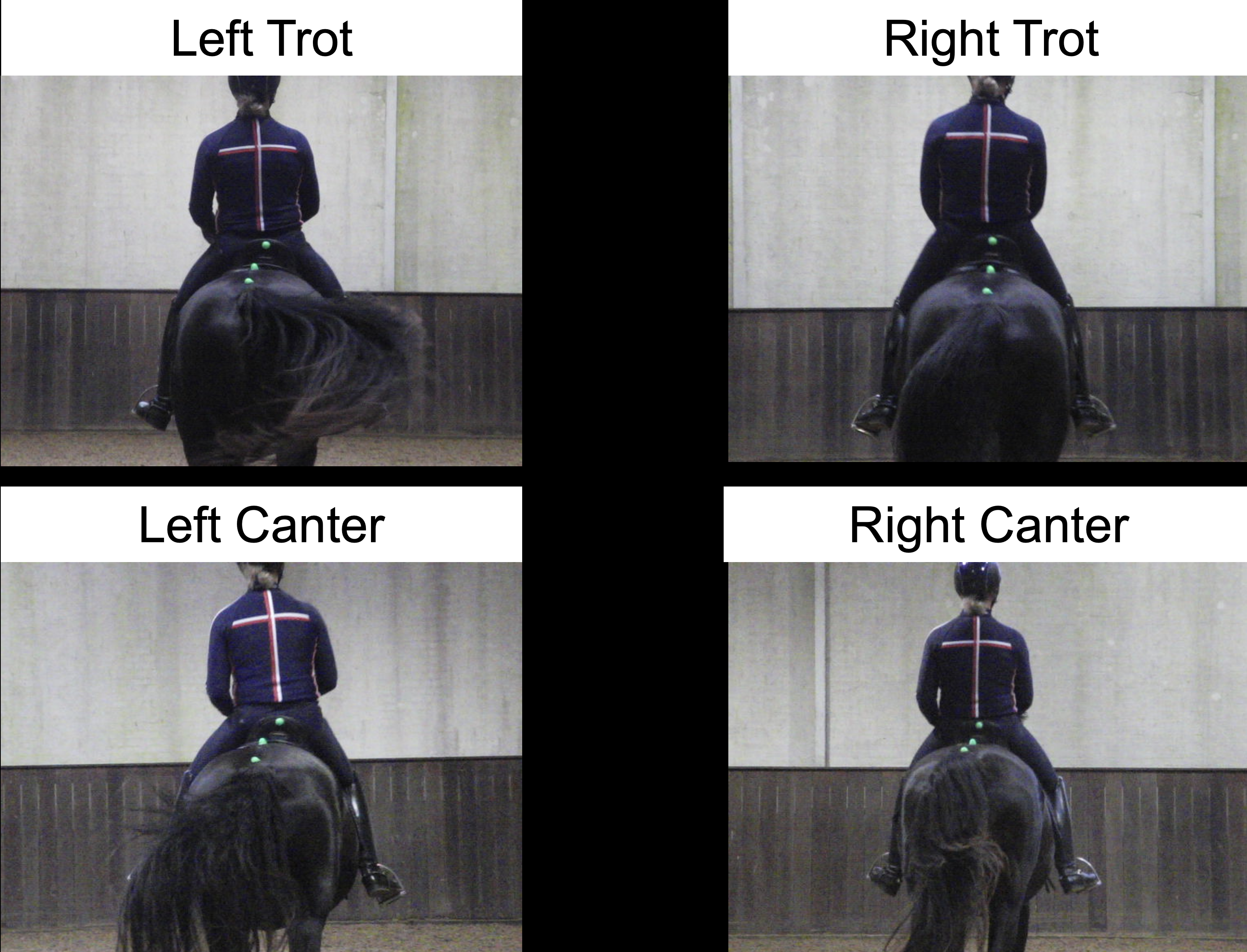
During walk, trot, and canter, the interaction between horse and rider, including the effects of the saddle (please note that this is not a saddle fitting assessment), will be assessed. Often, riders are evaluated in isolation, without considering the extrinsic factors that influence horse–saddle–rider interaction. Centaur uses a repeatable protocol and validated technology to accurately measure the biomechanics of the rider and to analyse how the saddle, horse, and rider work together from a biomechanical perspective.
It is common for riders to be told they “collapse through one hip” or “sit to the left,” but these statements often lack context. This assessment aims to identify the underlying mechanics driving these movement patterns and, importantly, to provide strategies and exercises to address them and improve movement coordination and effectiveness.
Dr Russell MacKechnie-Guire has extensively researched and published on horse–saddle–rider interaction, and these studies formed the foundation for this clinic package. This is a complex area, and to truly enhance performance and reduce the risk of injury, a holistic, integrated approach is essential. This gives a complete picture of how movement patterns in both the horse and rider influence the other.
4. Analysis and feedback
By combining all three elements and using slow-motion technology to provide immediate insight, the rider–horse–saddle interaction is reviewed in detail with the rider. This part of the session brings everything together, allowing the rider to clearly see and understand the findings and how they relate directly to their riding performance and goals. All findings and exercises are uploaded to your online portal, with clear instructions so you can begin working immediately.
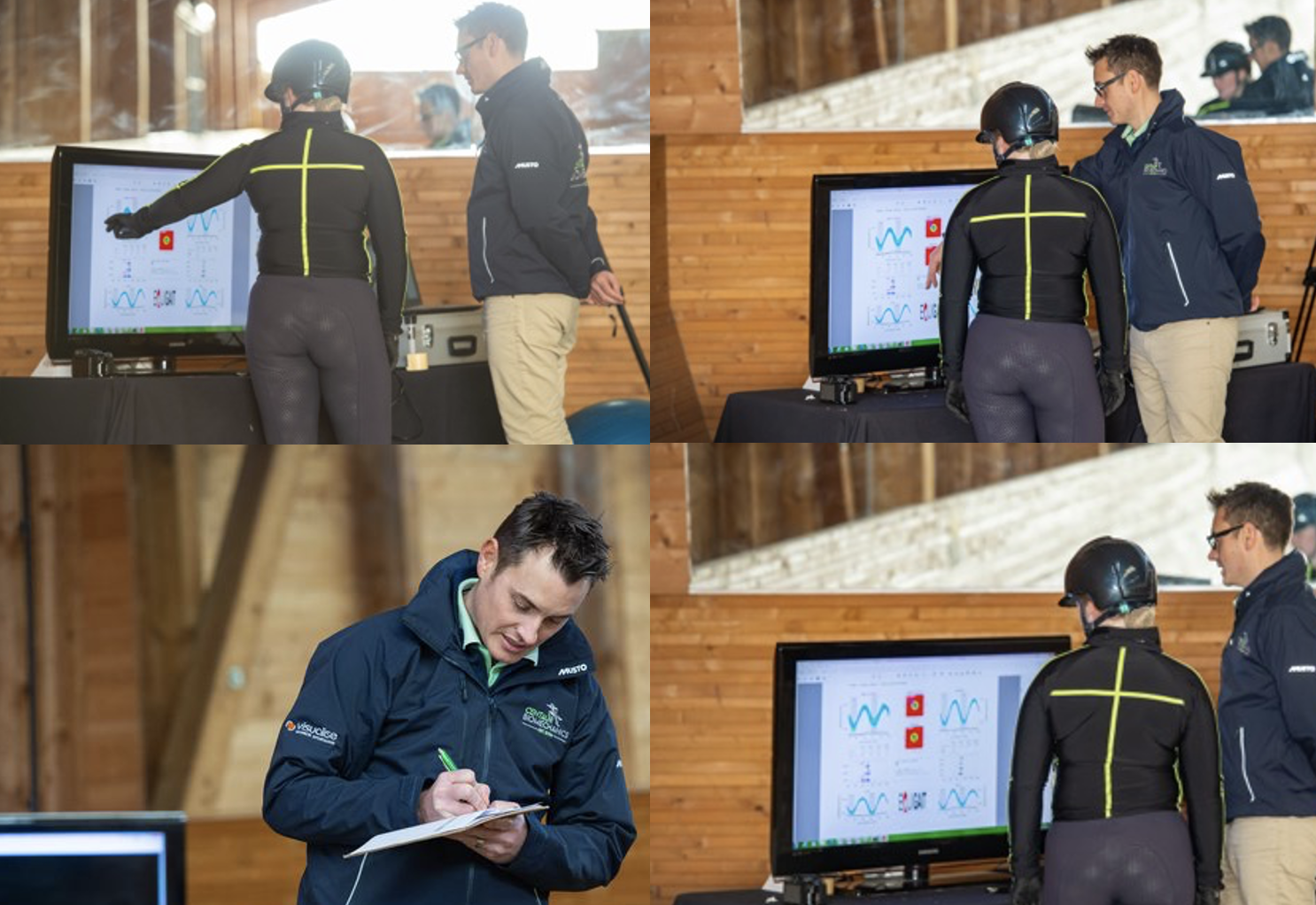
Working with your team – creating conversations
One of the biggest advantages of our clinics is that with one click, all reports and videos can be shared with your home support team such as vets, physios, coaches, saddle fitters or therapists, allowing for a coordinated approach to improvement.
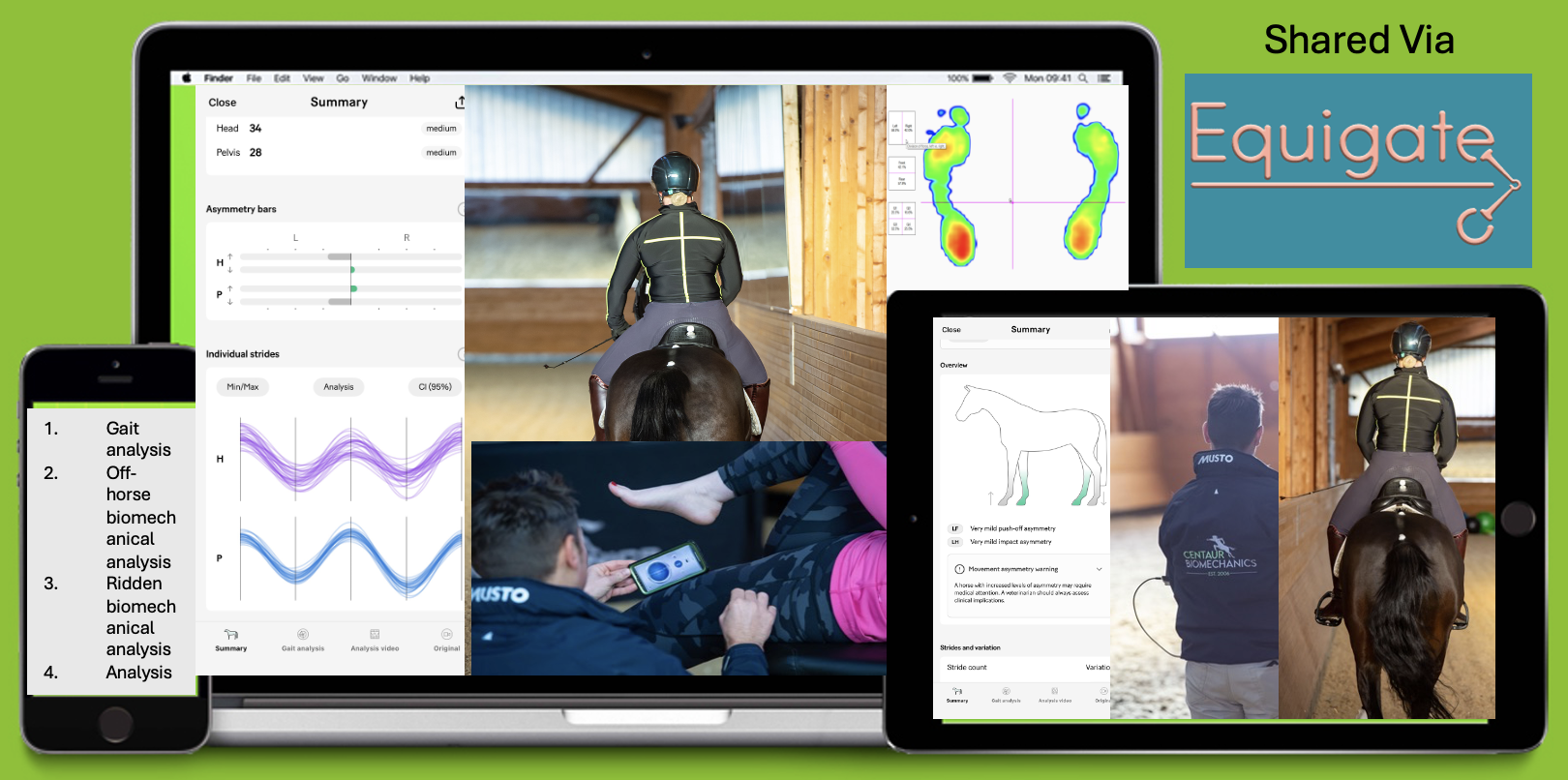
Rider Pilates
Pilates is a well-established method with health-related benefits. It can help strengthen and mobilise the body, improve movement patterns, enhance the rider’s body awareness, perception and mobility - all of which are essential for riding performance. Dr. Russell MacKechnie-Guire is a qualified Pilates Instructor (Level 3 in mat work) and intrinsic biomechanics trainer and he offers an innovative assessment of riders providing user-friendly and targeted exercises. Whilst certain areas of the rider system are more influential to riding performance than others, it is imperative that the whole rider is assessed for function. A weakness or movement deficiency in one area will affect the whole system. Rider-horse interaction is complex and, as such, requires a global approach.
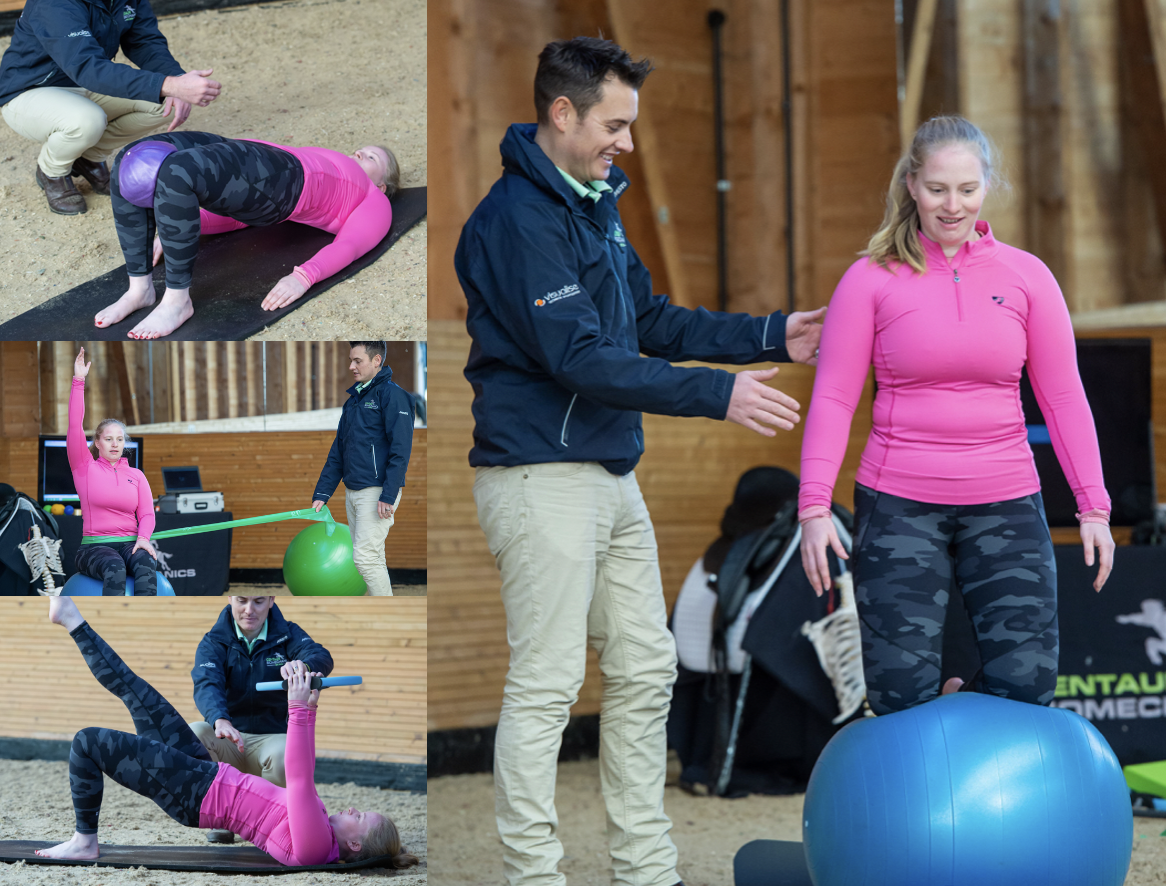
The Centaur Biomechanics Pilates sessions are unmounted and combine a series of tests and measurements which are designed to assess the rider from a global functional movement perspective. To be effective, the rider must be able to withstand the dynamic forces they generate, follow the movements of the horse, and influence the horse. The prescribed exercises are designed to enhance the rider’s dynamic stability which, if improved off the horse, can be translated to the horse - which will improve the rider’s performance and effectiveness.
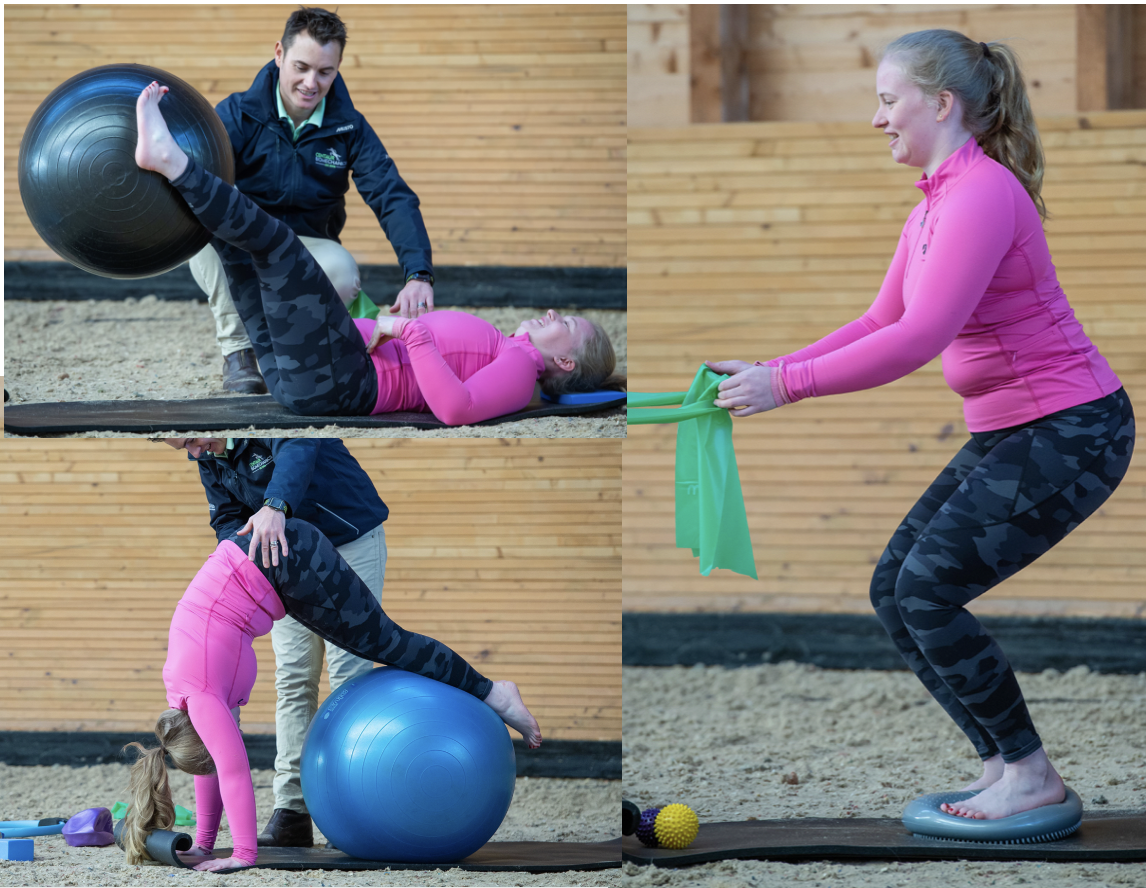
Session length: 60 minutes
Session cost: £45:00
Clinic dates:
|
Biomechanics Clinics Dates
|
Date
|
Venue
|
Cost Excl VAT
|
To Book
|
Centaur Biomechanics Clinic |
13-03-2026 |
Crewood Hall, WA6 8HP |
60.00 |
Book now |
Centaur Biomechanics Clinic |
28/03/2026 |
TC Equestrian Tarporley |
60.00 |
Book now |
Rider Biomechanics Clinic |
2-3 May 2026 |
Wheatlands Farm, Berkshire RG40 4LZ |
60.00 |
Book now |
Rider Biomechanics Clinic |
28/05/2026 |
Loop Farm |
60.00 |
Book now |
Rider Biomechanics Clinic |
14/07/2026 |
Norton Livery, SO213NE |
60.00 |
Book now |
Rider Biomechanics Clinic |
30/07/2026 |
Loop Farm |
60.00 |
Book now |
Rider Biomechanics Clinic |
19/08/2026 |
Norton Livery, SO213NE |
60.00 |
Book now |
Rider Biomechanics Clinic |
15/10/2026 |
Norton Livery, SO213NE |
60.00 |
Book now |